
◎
Get clear
Get clarity on what matters most right now.

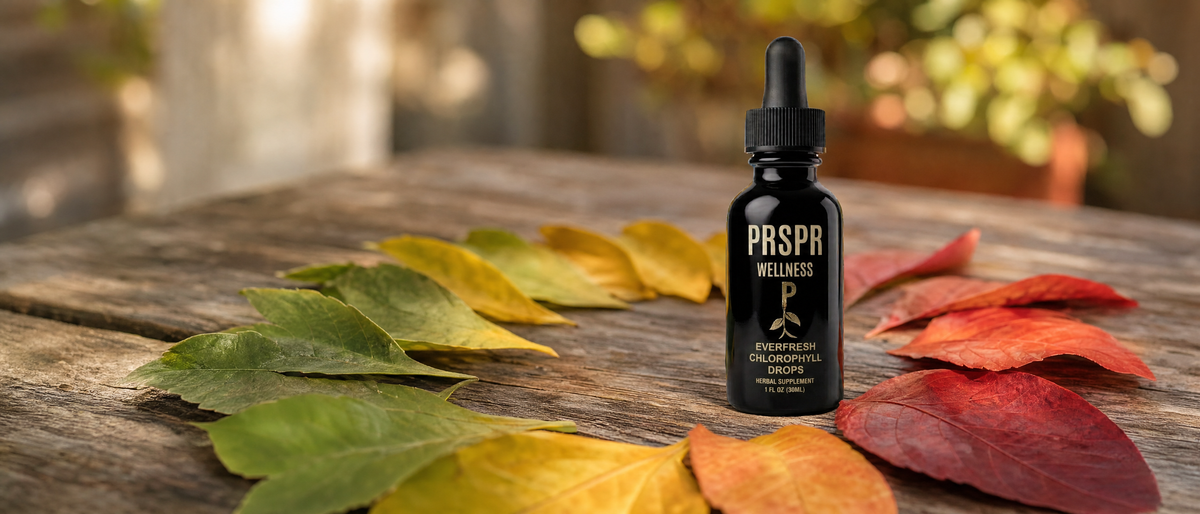
Why do the leaves change color every fall, when the same trees stayed green all summer? The short answer is that the color was partly there the whole time. A leaf holds several pigments at once, and in autumn the green one fades, the yellow and orange ones show through, and some trees make a fresh batch of red. Below is how each pigment works, what tells a tree it is time, why some trees go red while others go yellow, and a plain version you can read to a child.
It is the week for the question. According to Google Trends, for US searches over the past seven days related to the seed term "why do leaves change color," the rising query "why do leaves change color in the fall for kids" was up 50%. The top related queries included "why do the leaves change color" at 100, "why do leaves change color in fall" at 78, "why do leaves change color in the fall" at 73, "why do the leaves change color in the fall" at 73, "how do leaves change color" at 22, "why do trees leaves change color" at 16, "why do tree leaves change color" at 10, "why do leaves change color in autumn" at 6 and "why do some leaves change color in the fall" at 5.
Those numbers are relative, not counts. A rising percentage shows growth compared with the previous period, so +50% means that query was searched noticeably more than the week before. A top score is scaled against the most searched query in the set, which is set at 100. A score of 5 means a query was searched far less than the top one, not that five people searched it.
This piece is botany only. The main sources are the SUNY College of Environmental Science and Forestry (ESF) page "Why Leaves Change Color" by Carl E. Palm, Jr., the Clemson Cooperative Extension Home and Garden Information Center fact sheet "Color Changes in Autumn Leaves" (HGIC 1029) by Joey Williamson, the University of Missouri IPM article "The Science of Fall Leaf Color" by David Trinklein (2022), the USDA Forest Service "Fall Colors" page, and two university plant databases on white mulberry.
A leaf is not simply green. It carries several families of pigment, and fall color is the story of which one you can see.
The green. Chlorophyll is the green pigment; the ESF page says it "gives the leaf its green color." All summer, there is so much of it that it covers everything else.
Carotenoids, the yellows and oranges. According to ESF, alongside the green pigment sit "yellow to orange pigments, carotenes and xanthophyll pigments." Trinklein adds that the carotenoids are present in the leaf through the summer but hidden under the green. The Clemson fact sheet names the two big ones: beta-carotene, which contributes orangish-yellow and orange tones, and lutein, the most common xanthophyll, which produces "the bright yellow fall colors" once it is uncovered.
Anthocyanins, the reds and purples. These work differently. Trinklein writes that most anthocyanins "are produced in the autumn, in response to bright light and excess plant sugars within leaf cells." Clemson describes them as made from glucose that has built up and is trapped in the leaves.
| Pigment group | Color it gives | When it is there |
|---|---|---|
| The green pigment | Green | All summer, then breaks down in fall |
| Carotenoids (carotenes, xanthophylls such as lutein) | Yellow to orange | Present all summer, hidden by the green |
| Anthocyanins | Red to purple | Mostly made new in autumn |
So when people ask how do leaves change color, there are really two answers. Yellow and orange are revealed. Red is built.
The tree is reading the calendar. Trinklein writes that the timing of color change and leaf drop "is primarily regulated by the calendar as nights become longer." ESF puts it as changes in the length of daylight and changes in temperature. Clemson describes a series of events set off by changing light levels and temperature.
Two things happen as those signals arrive.
The green pigment is always breaking down and being replaced. In fall the replacing stops. ESF says that it breaks down, "the green color disappears," and the yellow to orange colors become visible. Clemson adds that falling leaf moisture in autumn begins the drop in green pigment.
At the base of each leaf stem, the tree builds a seal. ESF describes a special layer of cells that "gradually severs the tissues that support the leaf." Clemson calls it the abscission, or separation, layer and says it eventually lets the leaf drop. Trinklein writes that this layer "clogs vascular tissue" between the leaf and its twig, and that sugars trapped in the leaf are converted to anthocyanin. That is the link between the seal and the red.
It comes down to which pigments a species carries and whether it makes anthocyanins. ESF notes that some trees show only yellow in autumn, many oaks show mostly browns, and dogwoods and sumacs turn reddish and purplish. The same page credits a mix of pigments for the sugar maple's "brilliant orange."
The USDA Forest Service "Fall Colors" page lists regional examples: quaking aspen with "bright yellow leaves," tulip poplar as bright yellow, American beech as soft bronze, and sugar maple and red maple in vibrant reds and oranges. Clemson's photo examples match the pigments to the trees: sugar maple displaying orange carotenoids and red maple with red produced by anthocyanins.
Mulberry is one example of a yellow tree. The NC State Extension Gardener Plant Toolbox entry for white mulberry (Morus alba) says its fall leaf color "is yellow (sometimes green, yellow and brown)." The University of Illinois UI Plants entry is less flattering, calling it variable, from yellow-green to bronze or yellow.
Weather sets the intensity. Clemson says the best show comes with adequate soil moisture, warm days with bright sunlight, and cool nights, while drought or early freezing weather causes a rapid breakdown of pigments and leaf drop. ESF adds that low temperatures above freezing favor anthocyanin formation, producing bright reds in maples, while an early frost weakens the red. Trinklein sums up temperature and moisture as "the two main influences."
Leaves have colors hiding inside them all year. In summer, a lot of green covers up the yellow and orange. When fall comes, the nights get longer and cooler, and the tree stops making green. The green goes away, and the yellow and orange that were hiding get to show.
Some trees, like red maples, also make brand new red color in fall from sugar stuck in their leaves. Then the tree grows a little seal where each leaf joins the branch, and one day the leaf lets go and floats down.
We like this question because the best part of the answer is that most fall color is not new. The yellows and oranges were in the leaf all summer, and only the reds are made fresh. Longer nights start it, the abscission layer locks sugar in, and the weather decides how bright it gets.
If you want the green pigment's own story, our piece on chlorophyll and chlorophyllin covers the molecule and its relative. To see where that pigment sits inside a leaf cell, read what a chloroplast is. And for more on the tree we named above, see our white mulberry leaf piece.
This piece connects to our Everfresh Chlorophyll Drops through a pigment name and a tree. Everfresh Liquid Chlorophyll is a liquid dietary supplement made with chlorophyll derived from mulberry leaves and naturally flavored with peppermint oil, sold in a 1 fl oz (30 mL) black glass dropper bottle. This article is about leaves on trees in autumn, not about what is in the bottle.
Like everything we carry, it is made in a GMP-certified facility and third-party batch tested, so what's on the label is what's in the bottle. It sits in our Vitamins & Supplements collection, listed at $40.99.
To read the full label, see Everfresh Chlorophyll Drops at PRSPR.
As nights get longer, trees stop replacing their green pigment. Per SUNY ESF, the green disappears and the yellow to orange pigments that were already there become visible.
Red comes from anthocyanins. The University of Missouri's Trinklein says most are made in autumn in response to bright light and excess sugars trapped in leaf cells.
Species differ. Trinklein notes most oaks show their colors long after other species have dropped their leaves, and ESF says many oaks show mostly browns.
NC State Extension lists white mulberry fall color as yellow, sometimes mixed with green and brown. The University of Illinois describes it as variable, from yellow-green to bronze or yellow.
Yes. Clemson Extension says warm sunny days, cool nights and adequate soil moisture give the best show, while drought or an early freeze speeds pigment breakdown and leaf drop.
Answer all five questions to unlock a clear wellness plan made around your goal, schedule, preferred supplement format, and biggest roadblock.
Get clarity on what matters most right now.
See the product and routine connected to your goal.
Simple next steps you can use right away.
Pick the one you would fix first if you could.
This helps us make the guide easier to follow.
Consistency beats the “perfect” routine you never follow.
Be honest. We’re building something you’ll actually use.
Your guide will include one simple way around it.
Answer two more questions to unlock your product starting point, five-step plan, two-week routine, and one practical tip for your biggest roadblock.
Enter your details to open your five-step plan.
Verified PRSPR customer reviews
Expires when you close this page
*Your personal credit for completing the quiz. It's applied automatically at checkout on one-time purchases and expires when the timer runs out.
View full product detailsEverything in your plan, together — one add to cart.
Expires when you close this page
*Your personal credit for completing the quiz. It's applied automatically at checkout on one-time purchases and expires when the timer runs out.
View full product details Botany
You pick up a fallen leaf on a walk, or you read a product label that says a botanical comes from a leaf, and you realize you do not have the words...
 Food Science
You are fine, you just ate, and then one specific food lands in your head and will not leave. Not food in general. That food. Researchers have a na...
 Fitness Terms
You have heard it from a coach, a gym sign-up form, a friend who just bought a set of dumbbells. Strength training. Resistance training. Hypertroph...